

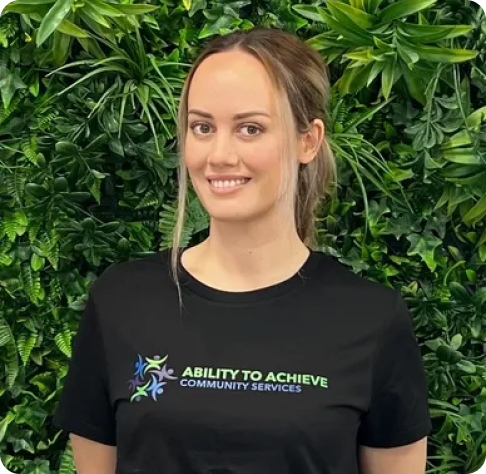
Youth mental health counselling addresses the emotional and psychological challenges young people face. In Sydney, these services provide essential support during formative years. This article outlines the definition and benefits of youth counselling, how disability support integrates, NDIS options for young people, and how families can access these resources. Understanding these elements clarifies the role of counselling in building resilience and supporting emotional health.
What is Youth Mental Health Counselling and Why is it Important?
Youth mental health counselling helps young people manage emotional and psychological difficulties in a confidential setting. It teaches coping strategies, improves well-being, and, through early intervention, reduces the risk of problems escalating.
Australia has developed innovative models for youth mental health, with an emphasis on early intervention and comprehensive care.
Australia’s Headspace Model for Youth Mental Health Services
Australia developed a national front-line youth mental health service model (Headspace), inspired by early intervention successes in psychosis. Comparable initiatives include Ireland’s Headstrong, which through advocacy and philanthropy led to front-line services such as Jigsaw; the UK has implemented regional responses focused largely on transitions from child–adolescent to adult services; and Canada has launched a national multi-site research initiative, funded publicly and philanthropically, to transform youth mental health services and inform a nationally implemented model that includes indigenous populations.
From early intervention in psychosis to youth mental health reform: a review of the evolution and transformation of mental health services for young people, S Iyer, 2016
Counselling for young people offers several benefits, including:
- Emotional Support: Provides a safe environment for youth to express their feelings and concerns.
- Skill Development: Helps young individuals develop coping mechanisms and social skills.
- Academic Improvement: Supports better focus and performance in school by addressing underlying mental health issues.
For tailored support programs, families can contact Ability to Achieve to explore youth mental health counselling in Sydney.
Defining Mental Health Counselling for Youth in Sydney
Youth counselling in Sydney uses therapeutic approaches tailored to young people’s needs. Common methods include Cognitive Behavioural Therapy (CBT) and Dialectical Behaviour Therapy (DBT) for anxiety, depression and related conditions. Interventions are adapted to each young person’s developmental stage and circumstances.
Key Benefits of Counselling for Young People
Counselling delivers benefits that support emotional and psychological well-being for young people. These include:
- Enhanced Emotional Resilience: Counselling helps youth build resilience by equipping them with practical tools to manage stress and adversity.
- Improved Social Skills: Through therapeutic interactions, young people learn communication skills and develop healthier relationships.
- Academic Success: Addressing mental health challenges can improve focus and performance in educational settings.
How Does Disability Support Integrate with Youth Mental Health Counselling?
Disability support can enhance counselling outcomes by ensuring care addresses both mental health and disability-related needs through integrated, person-centred services.
Tailored Counselling Services for Youth with Disabilities
Tailored counselling for youth with disabilities provides individualised care that reflects specific challenges. It can include specialised therapeutic techniques and support systems to promote emotional growth and functional independence.
Role of Allied Health in Supporting Youth Mental Health
Allied health professionals, psychologists, social workers and occupational therapists work with counsellors to deliver a holistic approach. This multidisciplinary collaboration addresses several aspects of a young person’s wellbeing and improves outcomes.
Despite effective treatments, gaps remain in mental health care for Australian youth, particularly for those with complex conditions, underscoring the essential role of a range of clinicians.
Australian Youth Mental Health: Treatment Gaps & Clinician Roles
Improving mental health outcomes for children and young people is a policy priority in developed countries. In Australia, up to half of children and adolescents who meet criteria for mental health disorders receive suboptimal or no treatment despite the availability of effective interventions. Children with complex conditions are particularly at risk because optimal care requires coordination across medical, educational and social services. In Australia, clinicians such as paediatricians, psychologists and child and adolescent psychiatrists provide the majority of care for children with complex mental health needs.
Strengthening care for children with complex mental health conditions: Views of Australian clinicians, H Hiscock, 2019
What NDIS Mental Health Services are Available for Youth in Sydney?
The National Disability Insurance Scheme (NDIS) provides a range of supports that help young people with disabilities access appropriate mental health care in Sydney.
The NDIS represents a major modernisation of Australia’s child and adolescent mental health system, though it continues to face challenges in meeting demand and ensuring coordinated care.
NDIS & Australian Youth Mental Health Services: Modernisation & Challenges
Abstract: This review describes the Australian child and adolescent mental health system, tracing its origins from child guidance clinics to recent modernisation efforts and policy innovations, including the National Disability Insurance Scheme (NDIS) and expanded digital and telehealth services. Shared funding and responsibility between Commonwealth and state/territory governments have produced nationwide variations that allow innovation but also introduce fragmentation and duplication. Rising demand that outstrips supply exacerbated by pandemic-related workforce shortages along with a lack of robust evaluation and poor service integration, remain ongoing challenges that complicate navigation for families.
Australian child and adolescent mental health services, P Robertson, 2024
Eligibility Criteria
To access NDIS mental health services, young people must meet specific eligibility criteria, including:
- Age and Residency Requirements: Applicants must be aged between 7 and 65 and reside in Australia.
- Disability Criteria: A permanent disability that significantly impacts daily living activities is required.
- Functional Impact Considerations: The disability must affect the individual’s ability to participate in social and community activities.
Types of Services Offered
- Counselling and Psychological Services: Professional support to address mental health challenges.
- Behavioural Support: Strategies to manage challenging behaviours and promote positive interactions.
- Community Participation Programs: Opportunities for social engagement and skill development.
How to Access NDIS Mental Health Services
Accessing NDIS mental health services typically involves a few clear steps:
- Confirming Eligibility: Ensure that the individual meets the NDIS eligibility criteria.
- Gathering Documentation: Collect necessary medical and personal documentation to support the application.
- Planning Meeting Process: Attend a planning meeting with an NDIS representative to discuss needs and goals.
How Can Youth and Families Access Mental Health Counselling Services in Sydney?
Accessing mental health counselling in Sydney is achievable for young people and their families. Knowing available resources and how to navigate them supports timely and effective care.
Contacting Ability to Achieve for Youth Counselling Programs
Families may contact Ability to Achieve for information about youth counselling programs.
Ability to Achieve offers a range of counselling services tailored to young people’s needs, helping them access appropriate support throughout their mental health journey.
Local Resources and Support Networks for Youth Mental Health
Alongside Ability to Achieve, local resources such as community health services, school-based counselling and peer support groups are available in Sydney. Engaging with these services adds additional layers of practical support for young people and their families.
Allied health professionals offer distinct benefits through targeted methods.
| Professional | Role | Contribution |
|---|---|---|
| Psychologists | Provide therapy | Address mental health issues through evidence-based practices |
| Social Workers | Offer support | Assist with social integration and resource access |
| Occupational Therapists | Facilitate skill development | Help youth develop daily living skills and independence |
The table shows how allied health professionals collaborate to deliver a comprehensive approach to youth mental health.
Conclusion
Accessing youth mental health counselling in Sydney supports emotional resilience, skill development and academic outcomes. By understanding available resources, families can secure tailored care for their young people. For further assistance, contact Ability to Achieve for information on comprehensive counselling programs.