
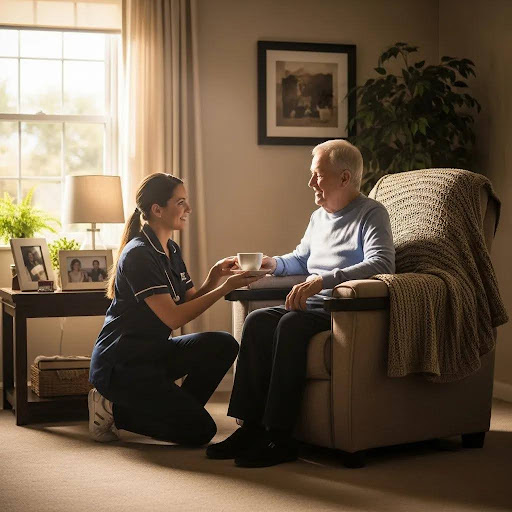

Personal care assistance for disabled adults is direct support that helps with daily living tasks, promotes safety and preserves dignity. This guide explains what disability personal care services are, which everyday activities assistants commonly support, and how these services help people maintain independence at home. Many people and families feel uncertain about choosing the right personal care assistant or understanding how NDIS personal care support fits into a plan, so this article lays out practical selection criteria, typical tasks, and steps to prepare for care. You will learn how to evaluate candidates, what to expect from in-home disability care, and how to maximise the personal care assistance experience through clear communication and planning. Later sections also describe how a Disability Support Services provider can support navigation of NDIS personal care supports and assist with planning and assessments.
What Are Disability Personal Care Services and How Do They Support Disabled Adults?
Disability personal care services are targeted supports that help adults with disabilities perform activities of daily living and instrumental tasks that they cannot do independently. These services work by providing hands-on assistance, supervision, and prompting so a person can maintain safety, health, and routine in their living environment. The primary goals of personal care assistance are to enhance independence, reduce risk of injury, and uphold personal dignity during everyday activities. Typical settings include private homes and respite environments where trained in-home support workers or attendant carers deliver tailored help. Understanding this role helps clarify which tasks a personal care assistant can perform and why that support matters for long-term wellbeing.
Defining Personal Care Assistance and Its Role in Daily Living Support
Personal care assistance refers to direct help with activities of daily living (ADLs) and selected instrumental activities of daily living (IADLs) that enable an individual to live safely and participate in their community. ADLs include core tasks such as bathing, dressing and toileting while IADLs encompass meal preparation, shopping and medication prompting; together these supports address functional gaps. Assistants may provide full physical assistance, partial help, or supervision depending on the person’s ability and care plan, and they coordinate with clinicians where clinical oversight is required. This practical support reduces dependence on emergency services and supports continuity of routines across mornings, evenings and community outings. Recognising how ADLs and IADLs connect to daily functioning clarifies what to expect from a personal care assistant and prepares you to review the detailed task list later in the guide.
Key Benefits of Disability Care at Home for Enhanced Independence
Receiving personal care at home offers consistent, person-centred support that preserves familiar routines and living environments, which improves quality of life. Home-based care promotes independence by enabling people to perform meaningful activities with dignity, while trained assistants reduce fall risk and support adherence to health routines such as medication prompting. In-home support also fosters continuity with family and community relationships, often preventing unnecessary hospital or residential placements by addressing functional needs early. These advantages illustrate why many participants prefer tailored in-home disability care over more institutional alternatives. Appreciating these benefits helps inform decisions about support levels and the types of assistants to consider when planning care.
How to Choose the Right Personal Care Assistant for Your Needs?

Choosing the right personal care assistant involves evaluating skills, compatibility, and verified background information to ensure safe, respectful support that matches a person’s goals. A successful selection process balances practical abilities, such as mobility transfers and medication prompting, with interpersonal qualities like communication and empathy. Trial shifts, reference checks and clear discussion of routines and boundaries are practical steps that reduce mismatch and build trust between the person and their carer. A concise checklist of top selection criteria helps focus interviews and decisions and is provided below to guide assessments. Following these steps makes it easier to find an assistant who supports independence while fitting into daily life and existing care plans.
- Experience and practical skills: Ask about previous work with similar disabilities and specific tasks they can perform safely.
- Communication and empathy: Ensure the assistant demonstrates clear, respectful communication and a person-centred approach.
- Verification and references: Confirm background checks, qualifications, and reliable references to reduce risk.
- Reliability and flexibility: Check availability, cancellation policies, and willingness to adapt to routines and changing needs.
- Compatibility and boundaries: Look for shared values, respect for privacy, and clear understanding of professional boundaries.
The checklist above highlights core criteria to prioritise when interviewing candidates and ensures conversations focus on safety, skills and rapport.
Essential Qualities and Skills to Look for in a Personal Care Assistant
When screening candidates, prioritise interpersonal qualities such as empathy, patience and clear verbal communication alongside practical competencies in mobility assistance and medication prompting. Practical skills include safe transfer techniques, understanding of equipment like hoists or walking aids, and competency in documenting care actions within a plan. Verification of relevant certificates, police checks and reliable references reduces risk and signals professionalism, while examples of past problem-solving indicate adaptability. Observing a candidate on a short trial shift is one of the most effective ways to assess both skills and compatibility. These qualities collectively predict safe, respectful support and set the stage for successful long-term assistance, which leads into the interview questions to ask.
Questions to Ask When Selecting In-Home Care for Disabled Adults
A structured interview helps reveal a candidate’s experience, approach to routines, emergency responses and respect for boundaries, and should include clear scenarios and follow-up probing questions. Ask about specific past experiences, how they handle personal care tasks, what they do in emergencies, and how they document and report changes in condition. Include logistics questions about availability, travel, cancellation policies and willingness to coordinate with health professionals or family members. Watch for red flags such as reluctance to answer situational questions, inconsistent stories, or poor communication skills during the interview process. Using these questions ensures you gather the information needed to make an informed hiring decision and prepares you to create a clear care agreement.
What Does NDIS Personal Care Support Include and How Can It Help?
NDIS personal care support commonly covers assistance with activities of daily living that enable participants to remain safe and participate in community life, offering practical help and prompting. These funded supports typically include help with bathing, dressing, toileting, meal preparation and mobility assistance, and they are intended to increase independence and reduce risk. For many participants, NDIS personal care support enables access to tailored in-home assistance that complements clinical care and supports community participation. Eligibility and application processes vary, so participants are encouraged to consult official NDIS guidance or speak with a support provider to understand their options and next steps.
Because eligibility and planning can be complex, a Disability Support Services provider can support participants to understand options and prepare for assessments.
Overview of NDIS Personal Care Support Services
NDIS personal care services are intended to help participants perform essential daily tasks that they cannot manage independently and to support participation in home and community life. Common examples include assistance with bathing, help preparing meals, mobility support for transfers and guidance for medication routines; these supports are tailored in a participant’s plan to meet individual goals. The supports aim to reduce risks associated with complex care needs, enable safer living arrangements and promote social inclusion by assisting participants to attend appointments or community activities. A clear care plan aligned with NDIS goals helps providers deliver consistent support and measure progress. Understanding common service examples helps participants request appropriate support during planning meetings.
Eligibility Criteria and Application Process for NDIS Assistance
Eligibility for NDIS personal care support generally depends on meeting the scheme’s access requirements and demonstrating that the supports are reasonable and necessary to achieve participation goals; specific criteria should be confirmed with official NDIS resources. The application pathway typically involves an access request, providing documentation of disability and functional impact, development of a plan that lists funded supports, and periodic reviews to update needs. Working with a support coordinator or a reputable Disability Support Services provider can streamline documentation, clarify goals and help present functional evidence during planning. Because procedures and thresholds change over time, consulting current NDIS guidance or a support professional ensures accurate, up-to-date information. Knowing the broad steps helps participants prepare paperwork and plan conversations ahead of assessments.
What Daily Tasks and Assistance Can You Expect From Personal Care Assistance?
Personal care assistants commonly support a range of ADLs and selected IADLs that enable daily functioning, with levels of help adjusted to the person’s abilities and goals. Assistants may provide full physical assistance, partial help, or supervision and prompting, and they often coordinate with clinicians to ensure safe mobility and health monitoring. Below is a concise list of typical tasks followed by a comparison table that outlines frequency and who usually provides each task to help set expectations. Knowing which tasks are routine versus clinical clarifies boundaries and helps people prepare a realistic care plan.
Despite the comprehensive support offered, studies highlight common areas where disabled adults often experience unmet home care needs, particularly concerning essential daily activities.
- Bathing and personal hygiene: Assistance with showers, sponge baths, and grooming to maintain hygiene and skin health.
- Dressing and toileting: Help with clothing selection, dressing, and safe toileting to promote dignity and independence.
- Meal preparation and feeding support: Preparing nutritious meals and assisting with eating if needed to maintain nutrition.
- Medication prompting: Reminders or supervised prompting to support adherence to prescribed regimens.
Common Personal Care Activities Provided at Home
At-home personal care commonly includes bathing, dressing, toileting help, feeding support and medication prompting, each adjusted to the person’s level of independence and goals. Partial assistance might involve supervision and prompting, while full assistance includes hands-on help with transfers or feeding, and documentation in the care plan clarifies the expected level. Assistants also help with routine household tasks that directly affect safety, such as laundry and basic meal preparation, ensuring the environment supports health. Clear records and communication with family and clinical teams ensure that changes in condition are noticed and escalated appropriately. Understanding this scope prepares participants and families to discuss practical care arrangements and appropriate support.
How Personal Care Assistants Support Mobility and Health Needs
Mobility support includes safe transfer techniques, use of mobility aids and supervised walking or repositioning to reduce falls and preserve function, while health support often includes prompting exercises and monitoring basic signs. Assistants work within defined roles and should coordinate with physiotherapists, occupational therapists and nurses when clinical interventions or equipment changes are needed. Safety considerations include manual-handling training, risk assessments and ensuring devices are used correctly to protect both the person and the assistant. When health needs exceed the assistant’s scope, timely referral to clinical staff is essential to maintain safe care. Effective mobility and health support sustain independence and reduce hospital admissions when combined with appropriate clinical oversight.
What Are the Benefits of Receiving Disability Care at Home Compared to Other Options?
In-home disability care offers practical advantages over institutional alternatives by preserving routines, providing tailored one-to-one support and enabling community participation. Receiving personal care at home maintains the individual’s connection to familiar surroundings and social networks, which supports emotional wellbeing and overall quality of life. Compared with respite or residential settings, home-based care often allows for greater flexibility in scheduling and personalisation of tasks to align with personal values and goals. However, there are situations where other options may be preferable, such as when intensive clinical care or round-the-clock supervision is required. Weighing practical, emotional and safety factors helps determine the optimal balance between home-based supports and alternative care arrangements.
Advantages of In-Home Care for Disabled Adults
In-home care promotes continuity of daily routines, preserves personal choice and supports independence through customised support plans adapted to the individual’s lifestyle. It often reduces disruptive transitions, such as moving into residential care, and enables family members to remain actively involved in decision-making and emotional support. Tailored in-home assistance can also be scheduled specifically for community outings, appointments and social activities, which helps maintain participation and reduces isolation. These advantages make home-based personal care a preferred option for many people whose needs can be safely met outside institutional settings. Recognising when home care is sufficient versus when higher-level supports are needed ensures that choices remain person-centred and safe.
Further research underscores how home-based care models are crucial for upholding the dignity and autonomy of individuals with disabilities, fostering their integration into the community.
Home-Based Care for Disabled: Dignity, Autonomy & Community Integration
Home-based care for individuals with disabilities is a transformative approach that allows them to live with dignity, autonomy, and integration into their communities while receiving essential support in the comfort of their homes. This model is grounded in the social model of disability and aligns with the United Nations Convention on the Rights of Persons with Disabilities. It challenges traditional institutional care by promoting individual autonomy and social inclusion.
Home-Based Care Services, A Ghoshal, 2025
Emotional and Social Benefits of Personal Care Assistance at Home
Personal care at home can reduce isolation and promote emotional wellbeing by enabling continued engagement with family, friends and local community activities, fostering a sense of belonging. Maintaining familiar surroundings and routines supports dignity and identity, while consistent carers can develop trusting relationships that enhance emotional safety. Tailored support also enables people to continue roles such as volunteering, studying or employment where possible, preserving social purpose and self-determination. These social and emotional benefits often complement physical health gains, contributing to a more holistic sense of wellbeing. Appreciating these psychosocial advantages helps families prioritise the types of support that matter most to the person.
How to Prepare for and Maximise Your Personal Care Assistance Experience?
Preparing for personal care assistance involves documenting routines, preferences and health needs, setting expectations and creating a simple care plan that guides assistants and family members. Clear communication about priorities, emergency contacts and boundaries helps prevent misunderstandings and builds a productive working relationship with the assistant. Practical preparation includes organising medication lists, mobility equipment information and any clinician recommendations, which makes assessments and reviews more efficient. Working with a reputable Disability Support Services provider can help you prepare paperwork and coordinate initial assessments while preserving choice and control. The following checklist identifies immediate steps to get ready for care and maximise positive outcomes.
- Gather essential documents: Prepare medication lists, care plans, clinician notes and emergency contacts for assessment.
- Define routines and preferences: Write down morning, evening and mealtime routines along with privacy and communication preferences.
- Plan trial shifts and feedback: Schedule short initial visits and set up a feedback loop to refine care arrangements.
Setting Expectations and Communicating Needs Effectively
Creating a simple care plan that lists priorities, routine tasks and emergency procedures clarifies expectations between the person, family and assistant and reduces confusion. Use clear, respectful phrases when explaining preferences, for example, “I prefer gentle prompts for dressing”, and document these in writing so all parties reference the same instructions. Include contingency plans for common scenarios such as staff absence or sudden health changes, and agree on how to report concerns and update the plan. Regularly scheduled brief reviews help ensure the plan evolves with changing needs and supports consistent quality. Establishing these communication habits at the outset builds trust and allows the care relationship to adapt constructively over time.
(Integration note: You may work with a Disability Support Services provider to prepare paperwork, coordinate assessments and develop an initial care plan; providers can advise on documentation to bring to planning meetings.)
Building a Positive Relationship With Your Personal Care Assistant
Trust and mutual respect are the foundation of a strong working relationship; invest in short routine check-ins, clear feedback and recognition of good practice to sustain a positive dynamic. Set and maintain professional boundaries while allowing space for rapport, and address concerns promptly through a calm, structured conversation or by involving a coordinator when needed. Use documented examples and observations when raising issues to keep feedback objective, and agree on timelines for corrective actions or changes. If problems persist, escalate through the provider’s complaint or review pathways to protect safety and wellbeing. A constructive relationship maximises the benefits of personal care assistance and supports consistent, person-centred outcomes for the individual receiving care.