
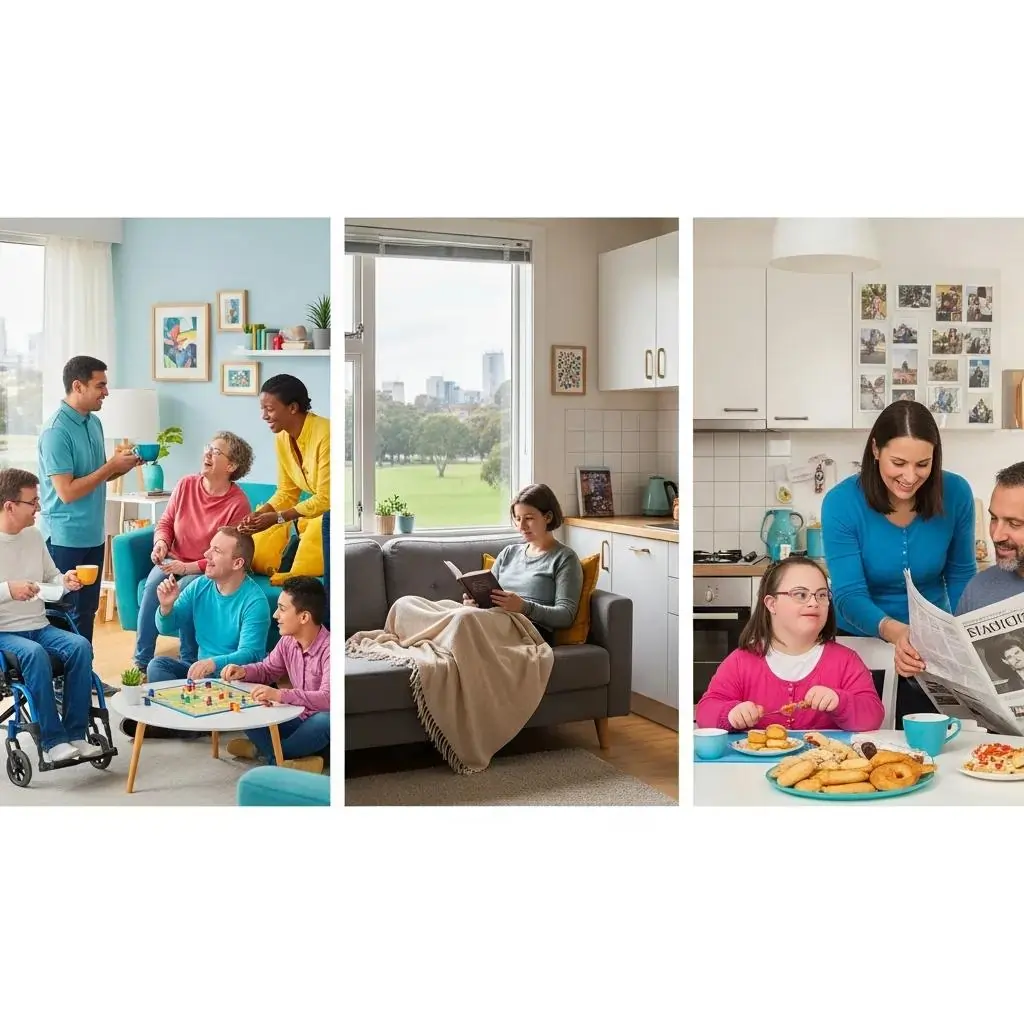

The National Disability Insurance Scheme (NDIS) provides various supports to enhance the independence of participants, particularly through Supported Independent Living (SIL) and Individualised Living Options (ILO). This article explores the different independent living supports available for NDIS participants, focusing on how these services can improve daily living and overall quality of life. Many individuals with disabilities face challenges in achieving autonomy and self-sufficiency, and understanding the available supports can empower them to make informed choices. We will delve into the definitions, eligibility criteria, housing options, daily living support, and how to choose the right independent living provider.
Indeed, research consistently shows that aspects like home, daily living, and choice are paramount for NDIS participants.
NDIS Participant Priorities: Home, Daily Living & Choice
Adjustments for these differences lead to similar results with both age cohorts ranking Health & Wellbeing, Home and Daily living as the most important domains. These were followed by Relationships, Choice & control, Social, Community & Civic participation, Lifelong learning, and Work for younger people. For older people the importance order between the Choice & control and Relationships was switched.
The relative importance of key life domains for people with disability: findings from a cross-sectional survey of NDIS participants in Australia, S Badji, 2025
What is Supported Independent Living under the NDIS?
Supported Independent Living (SIL) refers to a service under the NDIS that assists participants in living as independently as possible while receiving necessary support. SIL provides tailored assistance with daily living tasks, enabling individuals to maintain their autonomy and improve their quality of life. This support can include help with personal care, meal preparation, and household management, ensuring that participants can live in a safe and supportive environment.
How does SIL support daily living for NDIS participants?
SIL supports daily living by offering personalised assistance that caters to the unique needs of each participant. This can include help with:
- Personal Care: Assistance with bathing, dressing, and grooming.
- Meal Preparation: Support in planning and cooking nutritious meals.
- Household Management: Help with cleaning, laundry, and maintaining a tidy living space.
These services not only enhance the participant’s ability to manage daily tasks but also promote a sense of independence and dignity.
Who qualifies for Supported Independent Living services?
Eligibility for SIL services under the NDIS is determined based on individual needs and goals. Participants must have a plan that includes funding for SIL, which typically requires an assessment of their daily living challenges. The application process involves:
- Assessment: Evaluating the participant’s needs and support requirements.
- Planning: Developing a personalised NDIS plan that outlines the necessary supports.
- Approval: Gaining approval from the NDIS for the requested SIL funding.
Understanding these criteria is crucial for participants seeking to access SIL services.
What are Individualised Living Options in the NDIS?
Individualised Living Options (ILO) provide a flexible approach to living arrangements for NDIS participants, allowing them to choose how and where they live. Unlike traditional SIL, ILOs focus on the participant’s preferences and lifestyle, offering a more tailored living experience. This option empowers individuals to make choices that best suit their needs and aspirations.
How do ILOs differ from traditional SIL arrangements?
ILOs differ from traditional SIL arrangements in several key ways:
- Flexibility: Participants have greater control over their living arrangements and support services.
- Personalisation: ILOs are designed around the individual’s preferences, allowing for a more customised experience.
- Community Integration: ILOs often encourage participants to engage more with their local community, fostering social connections.
This flexibility can significantly enhance the participant’s sense of independence and satisfaction with their living situation.
What choices do participants have with Individualised Living Options?
Participants utilising ILOs can choose from various living arrangements, including:
- Shared Accommodation: Living with other individuals while receiving support.
- Independent Living: Residing alone with tailored support services.
- Family Home: Staying with family while accessing necessary support.
These choices allow participants to select the living situation that best aligns with their lifestyle and personal goals.
Which NDIS housing options support independent living?
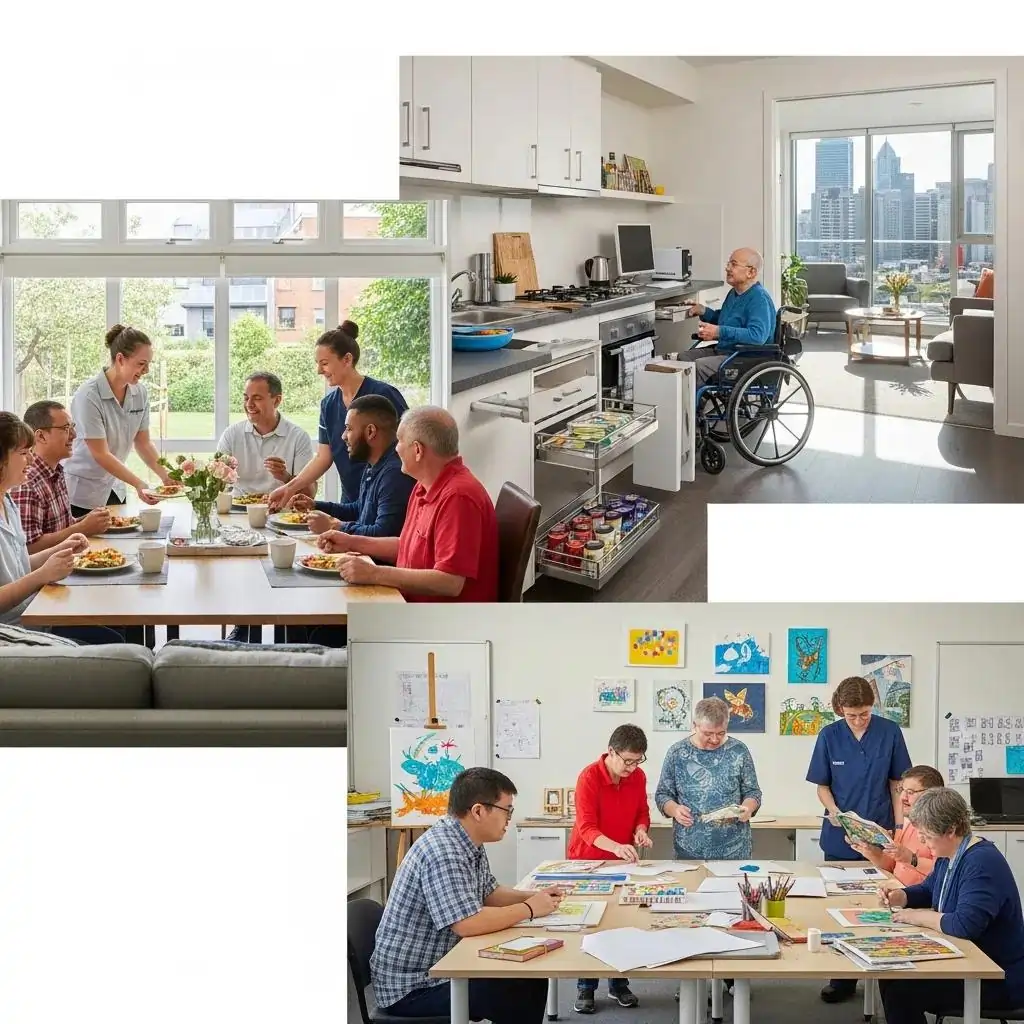
The NDIS offers several housing options to support independent living for participants, ensuring they have access to suitable accommodations that meet their needs.
What types of housing are available for NDIS participants?
NDIS participants can access various housing types, including:
- Group Homes: Shared living arrangements with support staff available.
- Independent Living Units: Self-contained units designed for individuals with disabilities.
- Supported Accommodation: Facilities that provide both housing and support services.
These options cater to different levels of independence and support needs, allowing participants to choose what works best for them.
How to access NDIS housing supports for independent living?
Accessing NDIS housing supports involves several steps:
- Planning Meeting: Discussing housing needs during the NDIS planning meeting.
- Funding Approval: Securing funding for housing supports in the NDIS plan.
- Finding Accommodation: Working with support coordinators to identify suitable housing options.
This process ensures that participants can find appropriate living arrangements that promote their independence.
How does NDIS Daily Living Support enhance independence?
NDIS Daily Living Support plays a crucial role in enhancing the independence of participants by providing assistance with essential daily tasks. This support is designed to empower individuals to manage their daily lives more effectively.
What daily living tasks are covered by NDIS?
NDIS Daily Living Support covers a range of tasks, including:
- Personal Care: Assistance with hygiene and grooming.
- Meal Preparation: Help with cooking and nutrition.
- Household Tasks: Support with cleaning and laundry.
These services are tailored to the individual’s needs, promoting greater independence and self-sufficiency.
How to coordinate daily living support with SIL or ILO?
Coordinating daily living support with SIL or ILO involves:
- Identifying Needs: Assessing the specific daily living tasks that require support.
- Integrating Services: Ensuring that daily living support complements SIL or ILO arrangements.
- Regular Reviews: Continuously evaluating the effectiveness of the support provided.
This coordination is essential for maximising the benefits of both SIL and ILO services.
Who are the NDIS Independent Living Providers and how to choose one?
NDIS Independent Living Providers offer a range of services designed to support participants in their daily lives. Choosing the right provider is crucial for ensuring that participants receive the best possible support.
What services do independent living providers offer?
Independent living providers primarily offer support services related to daily living, personal care, and community participation. The inclusion of speech therapy services such as:
- Adult Speech Therapy: Supporting adults in regaining speech and language abilities after injuries or medical conditions.
- Pediatric Speech Therapy: Helping children develop speech and language skills.
- Accent Modification: Assisting individuals in achieving clear communication.
- Teletherapy Speech Services: Providing accessible speech therapy from home or preferred locations, tailored to individual needs.
is not typically part of the core services provided by NDIS independent living providers. These therapies are usually delivered by specialised allied health professionals or therapy providers under separate NDIS funding categories.
What factors should participants consider when selecting a provider?
When choosing an NDIS independent living or allied health provider, participants should consider the following factors to ensure the right fit. Ability to Achieve focuses on delivering personalised, outcome-driven support tailored to individual needs.
- Individual Needs: Ensure the provider tailors services to meet specific communication challenges and personal goals.
- Experience: Look for providers with extensive experience in addressing a wide range of communication issues.
- Service Types: Consider the variety of services offered, such as adult and pediatric speech therapy, accent modification, and teletherapy, if relevant to their needs.
- Evidence-Based Approaches: Check if the provider uses evidence-based strategies in their therapy sessions.
- Accessibility: Evaluate the convenience of service delivery, including options for teletherapy from preferred locations.
- Personalised Care: Ensure that the provider maintains a structured and personalised approach similar to in-person sessions.
- Progress Tracking: Look for providers that support measurable progress in communication skills and confidence.
These considerations will help participants make informed decisions when choosing an independent living provider or allied health service.