
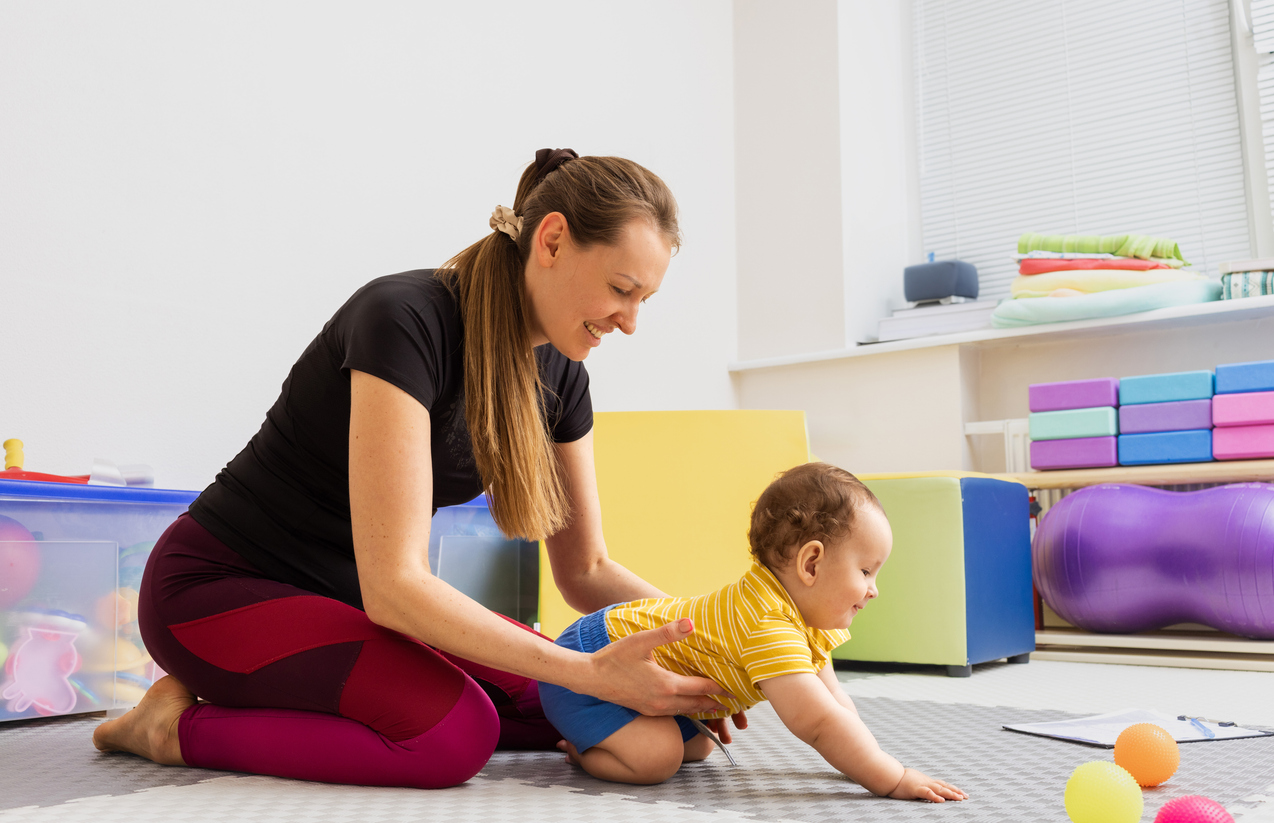

Every child develops at their own pace, but sometimes they need extra support to build the skills required for everyday life. Paediatric occupational therapy helps children develop the physical, sensory, social and emotional skills they need to participate confidently at home, school and in their community.
At Ability To Achieve, our paediatric occupational therapists work closely with children and their families to create personalised therapy programs that support development, build confidence and promote independence. Whether a child needs assistance with fine motor skills, sensory processing, self-care tasks or school readiness, occupational therapy can provide practical strategies and meaningful outcomes.
What Is Paediatric Occupational Therapy?
Paediatric occupational therapy focuses on helping children develop the skills needed to participate successfully in everyday activities. These activities may include dressing, eating, playing, learning, socialising and managing daily routines.
Occupational therapists assess a child’s strengths, challenges and goals before creating tailored intervention plans that support their development in a way that is engaging, achievable and enjoyable.
The ultimate goal is to help children gain greater independence, improve participation and build confidence in their abilities.
Why Is Occupational Therapy Important for Child Development?
Children learn through exploration, play and everyday experiences. When developmental challenges affect their ability to participate in these activities, occupational therapy can provide targeted support to help them succeed.
Occupational therapy can assist children to:
- Improve fine and gross motor skills
- Develop self-care and daily living abilities
- Enhance sensory processing and regulation
- Build social and communication skills
- Improve concentration and attention
- Increase confidence and independence
- Support school readiness and academic participation
Early intervention can make a significant difference in helping children achieve developmental milestones and reach their full potential.
Play-Based Occupational Therapy Activities for Skill Development
Play is one of the most effective ways for children to learn. Paediatric occupational therapists often use play-based activities to build skills while keeping therapy engaging and enjoyable.
Fine Motor Skill Development Through Play
Fine motor skills involve the small muscles of the hands and fingers that are needed for tasks such as writing, dressing and using utensils.
Common activities include:
Building and Construction Activities
Using blocks, LEGO®, stacking toys and construction games helps strengthen hand muscles, improve coordination and develop problem-solving skills.
Beading and Threading
Threading beads, lacing cards and similar activities improve finger strength, precision and hand-eye coordination.
Arts and Crafts
Drawing, colouring, painting, cutting and gluing encourage creativity while developing important motor skills needed for classroom activities and daily tasks.
Playdough and Clay Activities
Manipulating playdough, clay or other moulding materials helps improve hand strength, dexterity and finger control.
These activities support children’s ability to complete everyday tasks more independently and confidently.
Supporting Sensory Processing Through Occupational Therapy
Many children experience challenges with sensory processing, which can affect how they respond to sounds, movement, textures, light and other sensory information.
Occupational therapy can help children better understand and regulate sensory input through structured sensory integration activities.
Sensory Activities That Support Development
Movement and Balance Activities
Swinging, climbing, jumping and obstacle courses help children develop balance, coordination and body awareness while supporting vestibular processing.
Tactile Exploration
Activities involving sand, water, slime, sensory bins and textured materials help children become more comfortable with different sensory experiences.
Deep Pressure Activities
Weighted blankets, compression garments and calming sensory strategies can help some children regulate emotions and manage sensory overload.
Proprioceptive Activities
Pushing, pulling, carrying and resistance based activities support body awareness and help children feel more regulated throughout the day.
Through these experiences, children learn to process sensory information more effectively, improving their ability to participate in everyday activities.
Accessing Paediatric Occupational Therapy Through the NDIS
The National Disability Insurance Scheme (NDIS) provides funding for eligible children who require therapeutic supports to improve their independence, participation and development.
Occupational therapy is commonly included within NDIS plans when it aligns with a child’s goals and support needs.
Who May Be Eligible for NDIS Occupational Therapy?
Eligibility requirements may include:
- Having a permanent or significant disability
- Requiring support to participate in daily activities
- Demonstrating developmental challenges that impact everyday functioning
- Meeting NDIS residency requirements
Families are encouraged to speak with an NDIS planner, Local Area Coordinator (LAC) or support coordinator to determine eligibility and appropriate funding options.
Using NDIS Funding for Occupational Therapy
NDIS funding can support a range of occupational therapy services, including:
- Functional assessments
- Individual therapy sessions
- Sensory regulation programs
- School-based support
- Parent and caregiver training
- Assistive technology recommendations
- Capacity-building supports
A qualified occupational therapist can help families identify goals and develop intervention strategies that align with their NDIS plan.
Sensory Integration Activities for Home and School
Occupational therapy strategies are often most effective when practiced consistently across different environments.
Supporting Sensory Needs at Home
Parents and carers can encourage sensory development by:
- Creating sensory play stations
- Using visual schedules and routines
- Incorporating movement breaks throughout the day
- Providing calming sensory tools when needed
- Encouraging outdoor play and physical activity
Simple adjustments to daily routines can significantly improve regulation and participation.
Supporting Children in the Classroom
Teachers and educators can support sensory and developmental needs through:
- Flexible seating options
- Scheduled movement breaks
- Visual supports and instructions
- Quiet sensory-friendly spaces
- Structured routines and transitions
Collaborative approaches between families, schools and therapists often lead to the best outcomes for children.
Creating Effective Occupational Therapy Routines
Consistency plays an important role in skill development. Integrating therapy activities into daily routines helps children practise new skills regularly without feeling overwhelmed.
Tips for Building Successful Therapy Routines
- Schedule activities during times when the child is most engaged
- Keep sessions short and enjoyable
- Incorporate therapy goals into everyday tasks
- Celebrate progress and achievements
- Adjust activities as the child’s needs evolve
Small, consistent opportunities for practice often lead to meaningful long-term progress.
Measuring Progress in Occupational Therapy
Tracking development helps ensure therapy remains focused on meaningful goals and positive outcomes.
Occupational therapists use a variety of assessment tools and observations to monitor progress, identify strengths and adjust intervention plans as needed.
Areas commonly assessed include:
- Fine and gross motor skills
- Sensory processing abilities
- Daily living skills
- Social participation
- School-related skills
- Emotional regulation
Regular reviews help ensure children continue progressing toward their developmental goals.
Helping Children Reach Their Full Potential
Paediatric occupational therapy provides children with the tools, strategies and support they need to thrive in everyday life. Through engaging activities, personalised interventions and collaborative support, children can build the confidence and skills required to participate successfully at home, school and within their community.
At Ability To Achieve, we are passionate about helping children develop the skills they need to grow, learn and achieve their goals. Our experienced occupational therapists work alongside families to create tailored programs that support each child’s unique journey toward greater independence and success.
If you’d like to learn more about paediatric occupational therapy services or NDIS funded supports, our team is here to help.