
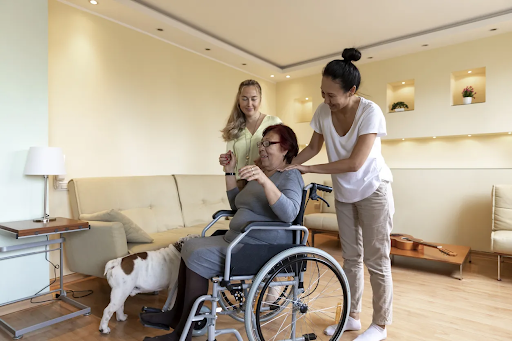

Accessing affordable housing under the National Disability Insurance Scheme (NDIS) is essential for individuals seeking independence and support. This guide explains NDIS housing options, including Supported Independent Living (SIL) and Specialist Disability Accommodation (SDA), and outlines eligibility and funding processes. Many people encounter barriers to suitable housing that limit independence; this guide clarifies available options and the steps to secure funding and support. It covers key housing models, supported living arrangements, accessibility modifications and the role of assistive products such as mobility aids.
What Are the Key NDIS Housing Options Available in Australia?
The NDIS provides several housing options to help participants increase independence. These options include:
- Supported Independent Living (SIL) : This model provides personalised support for daily living tasks, allowing individuals to maintain autonomy while receiving assistance as needed.
- Specialist Disability Accommodation (SDA) : SDA offers purpose-built housing for individuals with high support needs, ensuring they have access to the necessary facilities and support services.
- Medium Term Accommodation (MTA) : This option provides temporary housing solutions for individuals awaiting permanent accommodation or those in transition.
- Short Term Accommodation (Respite) : Respite services offer temporary relief for primary caregivers, allowing individuals to stay in a supportive environment while their caregivers take a break.
These options address diverse participant needs and aim to provide suitable living arrangements.
Understanding Supported Independent Living under NDIS
Supported Independent Living (SIL) provides practical support to help participants live independently. SIL services typically include assistance with cooking, cleaning and personal care. The objective is to enable autonomy while delivering the supports required to maintain a safe and functional home.
SIL also promotes community connection and skill development. Integrated support helps participants build confidence and manage household tasks independently.
Exploring Specialist Disability Accommodation and Community Housing
Specialist Disability Accommodation (SDA) is purpose-built for people with high support needs. SDA dwellings include design features and access to services that meet residents’ requirements. Community housing also provides accessible options that support social inclusion and community engagement.
Research further emphasises the need for specialised housing for people with complex needs.
NDIS Shared Supported Accommodation for Complex Needs
ABSTRACT: Young people with a complex combination of disability and health support needs face a limited range of housing and support options to meet lifetime requirements. This group often experience prolonged or repeat hospital admissions and are at increased risk of entry to residential aged care (RAC) given the limited alternatives available to them.
… for
National Disability Insurance Scheme design: the health and disability interface for people with complex needs living in shared supported accommodation, L Callaway, 2015
SDA properties commonly include accessible design features such as wider doorways, adapted bathrooms and assistive technology. Combined with tailored support and community integration, SDA and community housing can substantially improve residents’ quality of life.
Integrating Assistive Products: Role of Mobility Aids in Mobility and Accessibility
Assistive products, including mobility aids, support daily activities and increase independence. In residential settings they enable residents to move around their homes and local communities more easily.
Integrating these products into daily routines increases autonomy and can improve quality of life. Their use in disability housing supports greater self-sufficiency.
How Does Eligibility and Funding Work for Affordable NDIS Housing?
Understanding eligibility and funding for NDIS housing is essential. Funding is allocated according to individual needs and circumstances. Generally, eligibility requires meeting specified disability criteria and being an NDIS participant.
Funding may cover home modifications, assistive technology and ongoing support services. Participants should assess their needs and work with NDIS planners to determine suitable funding.
NDIS Housing Eligibility Criteria and Application Process
To qualify for NDIS housing support, applicants must meet specific criteria, including:
- Age Requirements : Participants must be under 65 years of age at the time of application.
- Residency Status : Applicants must be Australian citizens or permanent residents.
- Disability Impact : The disability must significantly impact daily living activities and require support.
Applicants submit an access request to the NDIS with evidence of their disability and its impact on daily life. Once approved, participants can access housing options and funding supports aligned to their needs.
Navigating Funding Supports for Home Modifications and Accommodation
Securing funding for home modifications and accommodation can be complex. The NDIS provides several funding pathways to help participants make necessary changes and live safely and independently.
Types of funding include:
- Home Modifications : Financial support for making structural changes to a home, such as installing ramps or modifying bathrooms.
- Assistive Technology : Funding for devices that enhance mobility and accessibility, including lifts and other mobility aids.
- Ongoing Support Services : Funding for support workers who assist with daily living tasks.
Participants should collaborate with their NDIS planners to identify the most appropriate funding based on individual needs.
What Accessible Home Modifications Enhance Independence?
Accessible home modifications improve safety and functionality. Common measures include:
- Installing Ramps : Ramps provide easier access to homes for individuals using wheelchairs or mobility aids.
- Widening Doorways : Wider doorways accommodate mobility devices, ensuring individuals can navigate their homes comfortably.
- Modifying Bathrooms : Accessible bathrooms with grab bars, roll-in showers, and raised toilets enhance safety and usability.
These modifications support greater independence and improve quality of life at home.
Common Modifications for Disability Housing: Ramps, Bathrooms, and Kitchens
Key areas to address when modifying disability housing include:
- Ramps for Access : Installing ramps at entry points allows individuals with mobility challenges to enter and exit their homes safely.
- Bathroom Modifications : Modifications such as grab bars, non-slip flooring, and accessible showers improve safety and usability in bathrooms.
- Kitchen Adjustments : Lowered countertops, pull-out shelves, and accessible appliances make kitchens more functional for individuals with disabilities.
Such changes improve accessibility and build confidence in daily activities.
Which Mobility Products Support Mobility in Disability Housing?
Mobility products for disability housing can enhance daily living. These products include:
- Electric Mobility Scooters : Ideal for indoor use, providing smooth and quiet operation for navigating tight spaces.
- Rough Terrain Wheelchairs : Suitable for outdoor use, allowing individuals to access various terrains safely.
- Compact Wheelchairs : Designed for smaller spaces, these wheelchairs offer versatility and ease of use in residential settings.
Incorporating these products into housing arrangements improves mobility and independence for residents.
Features and Benefits of Mobility Aids for NDIS Participants
Mobility aids deliver features and benefits that support NDIS participants’ daily lives:
- Enhanced Mobility : Mobility aids facilitate movement within homes and communities, allowing individuals to navigate their environments with ease.
- Support for Daily Tasks : These products assist with various daily activities, such as transporting items and accessing different areas of the home.
- Improved Quality of Life : By promoting independence and mobility, these aids contribute to a higher quality of life for individuals with disabilities.
Integrating mobility aids into housing significantly enhances the living experience for participants.
Pricing and Availability of Mobility Products for Accessible Homes
When selecting mobility products, evaluate price and availability. Prices vary by features; for example, electric mobility scooters commonly range from $2,000 to $10,000, while compact models may start near $1,000.
Availability varies by region; participants should consult local suppliers and manufacturers to identify suitable models. Understanding price and availability enables informed decisions.
Where Are Ability to Achieve Regional Service Areas and Support Located?
Ability to Achieve provides support across regions in Australia, ensuring access to affordable NDIS housing. The organisation serves Sydney, the Central Coast and Canberra, offering tailored support to each community’s needs.
Through regional presence, Ability to Achieve aims to improve accessibility and support, promoting independence and quality of life.
Coverage Areas for Affordable NDIS Housing Solutions in Australia
Ability to Achieve’s coverage areas include:
- Sydney : Comprehensive support services for individuals in the metropolitan area.
- Central Coast : Tailored housing solutions and assistance for residents in this region.
- Canberra : Dedicated support for individuals seeking affordable housing options in the capital.
These regions enable individuals to access support and resources to pursue their housing goals.
How to Contact Ability to Achieve for Housing and Mobility Support
To request assistance with NDIS housing or mobility support, contact Ability to Achieve via:
- Phone : 02 8311 7163
- Email : admin@abilitytoachieve.com.au
Contacting Ability to Achieve provides tailored guidance to help navigate NDIS housing options.
What Success Stories Demonstrate the Impact of Affordable NDIS Housing?
Client success stories illustrate the positive impact of affordable NDIS housing. Many participants report increased independence, stronger social connections and improved wellbeing after accessing suitable housing.
These accounts demonstrate the effectiveness of housing solutions in promoting independence and quality of life.
Client Testimonials on Supported Independent Living Experiences
Client testimonials offer insight into experiences with Supported Independent Living (SIL). Many clients report appreciation for personalised support that enables independent living within a community setting.
They highlight SIL’s role in fostering independence and improving quality of life.
Case Studies Highlighting Independence through Housing and Assistive Technology
Case studies of participants who navigated the NDIS housing process show how accessible housing and assistive technology can enable independence and improve quality of life.
To learn more about Ability to Achieve and its mission, please visit the website.
Sharing these case studies encourages others to consider affordable NDIS housing and its potential benefits.
Conclusion
Affordable NDIS housing enables greater independence and improved quality of life. By understanding options such as Supported Independent Living and Specialist Disability Accommodation, participants can make informed choices suited to their needs. Engaging with support services and assistive technologies further promotes autonomy and community participation. Contact Ability to Achieve to receive assistance navigating the NDIS housing process.