
Living independently is about more than managing daily tasks it’s about having the confidence, skills and support to make choices, achieve goals and participate fully in everyday life. For people living with disability, daily living skills coaching can provide the practical guidance needed to develop these essential abilities and increase independence.
At Ability to Achieve, we believe everyone deserves the opportunity to build life skills that support greater autonomy and wellbeing. Through personalised coaching and NDIS funded supports, participants can learn valuable skills that help them navigate daily life with confidence.
What Is Daily Living Skills Coaching?
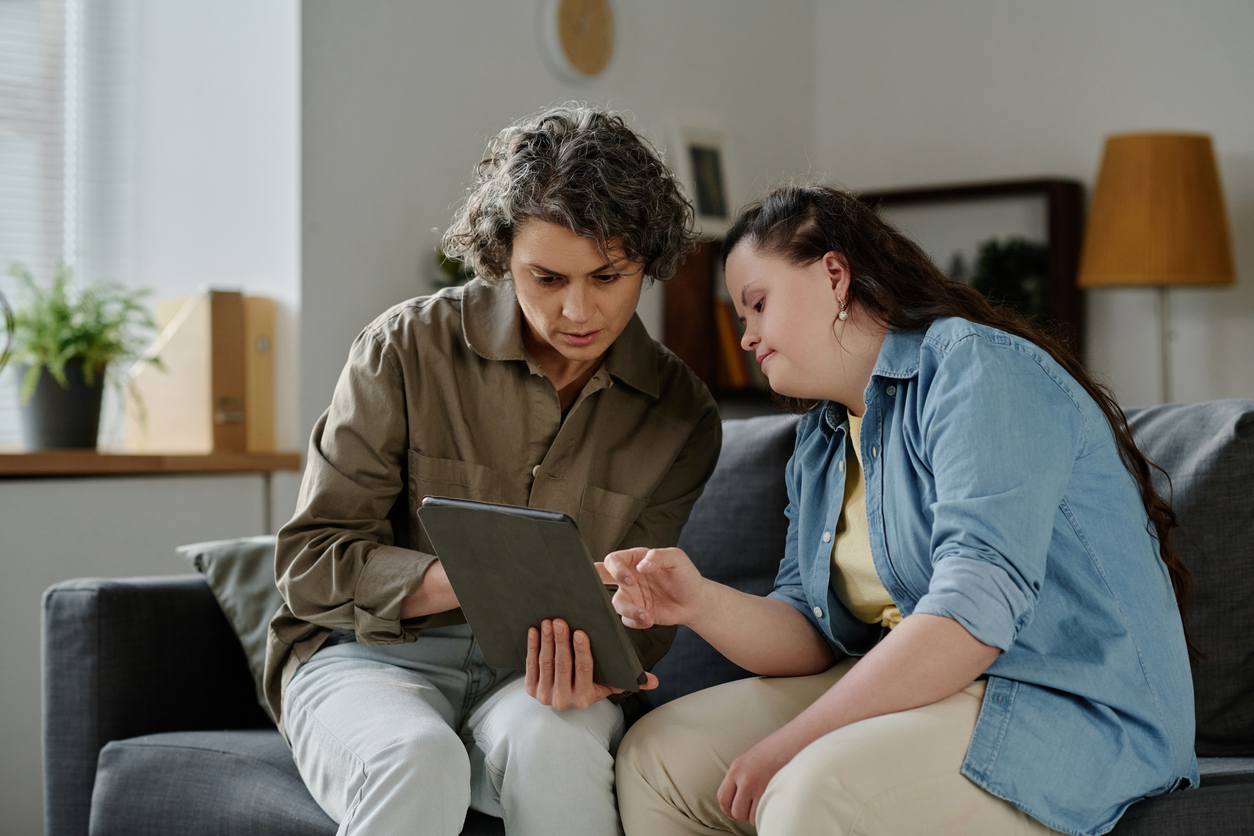
Daily living skills coaching is a personalised support service designed to help individuals develop the practical skills needed for independent living. These skills cover a wide range of everyday activities, from personal care and household management to communication and community participation.
The goal of coaching is to empower participants to become more self-reliant, improve their confidence and achieve their personal goals. Coaching programs are tailored to each individual’s strengths, needs and aspirations, ensuring they receive support that is meaningful and relevant to their daily life.
Why Are Independent Living Skills Important?
Independent living skills are the foundation of a more confident and fulfilling life. By developing these abilities, individuals can take greater control of their daily routines, make informed decisions and participate more actively in their communities.
Some of the key benefits include:
- Increased confidence and self-esteem
- Greater independence in daily activities
- Improved social and communication skills
- Enhanced health and wellbeing
- More opportunities for community participation
- Reduced reliance on family members or support networks
Building these skills can significantly improve quality of life while creating pathways to greater independence and personal achievement.
How the NDIS Supports Daily Living Skills Development
The National Disability Insurance Scheme (NDIS) recognises the importance of developing life skills that promote independence. Depending on individual goals and support needs, NDIS funding may cover daily living skills coaching and capacity building supports.
NDIS participants can access funding for services that help them:
- Learn everyday life skills
- Improve personal care routines
- Develop household management abilities
- Build social and communication skills
- Increase community participation
- Strengthen decision-making and problem-solving abilities
Working with an experienced NDIS provider can help participants understand their plan, access suitable supports and maximise available funding.
Key Skills Developed Through Daily Living Skills Coaching
Every participant’s journey is unique, but coaching programs often focus on several core areas that support independent living.
Personal Care and Hygiene
Personal care is a fundamental life skill that supports health, wellbeing and self-confidence.
Coaching may include:
- Personal hygiene routines
- Grooming and self-care
- Dressing independently
- Managing medications
- Establishing healthy daily habits
By developing these skills, participants can build confidence in managing their own personal care and daily routines.
Household Management Skills
Learning to manage a home independently is an important step towards greater autonomy.
Participants may receive support with:
- Meal planning and preparation
- Grocery shopping and budgeting
- Cleaning and organising
- Laundry and household maintenance
- Time management and routine planning
These practical skills help create a safe, comfortable and organised living environment.
Communication and Social Skills
Strong communication skills are essential for building relationships, accessing services and participating in the community.
Coaching can support participants to:
- Communicate effectively with others
- Build confidence in social situations
- Develop interpersonal skills
- Practice problem-solving and conflict resolution
- Engage in community activities
Improved communication skills can strengthen relationships and create greater opportunities for social inclusion.
How Daily Living Skills Coaching Works
Effective coaching focuses on practical, hands on learning that can be applied in real-life situations.
Personalised Learning Approaches
Every participant has different goals, strengths and learning styles. Coaches work closely with individuals to create tailored plans that support meaningful skill development.
Strategies may include:
- Demonstration and modelling
- Guided practice
- Positive reinforcement
- Goal setting and progress tracking
- Real-world skill application
These evidence based approaches help participants build confidence while developing skills that can be sustained over time.
Using Assistive Technology to Support Independence
Technology can play a valuable role in developing daily living skills.
Examples include:
- Smartphone reminders and scheduling apps
- Budgeting and finance management tools
- Meal planning applications
- Adaptive kitchen equipment
- Personal care aids and assistive devices
When integrated into coaching programs, assistive technology can help participants practice skills more effectively and increase their independence.
Accessing Daily Living Skills Coaching Through the NDIS
To access NDIS funded daily living skills coaching, participants generally need to demonstrate that these supports align with their goals and disability related needs.
Understanding Eligibility
Participants may be eligible for funding if they:
- Have an approved NDIS plan
- Require support to develop independent living skills
- Have goals related to increased independence and community participation
- Need assistance with daily activities due to their disability
A support coordinator or NDIS provider can help identify suitable funding categories and services.
Finding the Right NDIS Provider
Choosing the right provider is an important step in achieving positive outcomes.
When selecting a daily living skills coach, consider:
- Experience supporting people with similar goals
- Personalised and participant-centred approaches
- Qualified and supportive staff
- Strong understanding of NDIS requirements
- Positive client feedback and outcomes
At Ability to Achieve, we work collaboratively with participants to build practical skills, confidence and independence in ways that align with their unique goals and aspirations.
Real Outcomes: The Impact of Daily Living Skills Coaching
Many participants experience significant improvements after engaging in daily living skills coaching.
Common outcomes include:
- Greater independence with personal care
- Improved household management abilities
- Increased confidence in social situations
- Better organisation and time management
- Stronger community participation
- Enhanced overall wellbeing
As individuals develop new skills and achieve personal milestones, they often experience a greater sense of empowerment and control over their lives.
Supporting Independence Every Step of the Way
Developing daily living skills is a journey that can open the door to greater confidence, independence and opportunity. With the right support, individuals can build practical abilities that improve everyday life and help them achieve their goals.
At Ability to Achieve, we are committed to empowering people living with disability through personalised coaching and NDIS supported services that foster long-term independence and success.
If you or a loved one would like to learn more about daily living skills coaching and NDIS support, our team is here to help.