
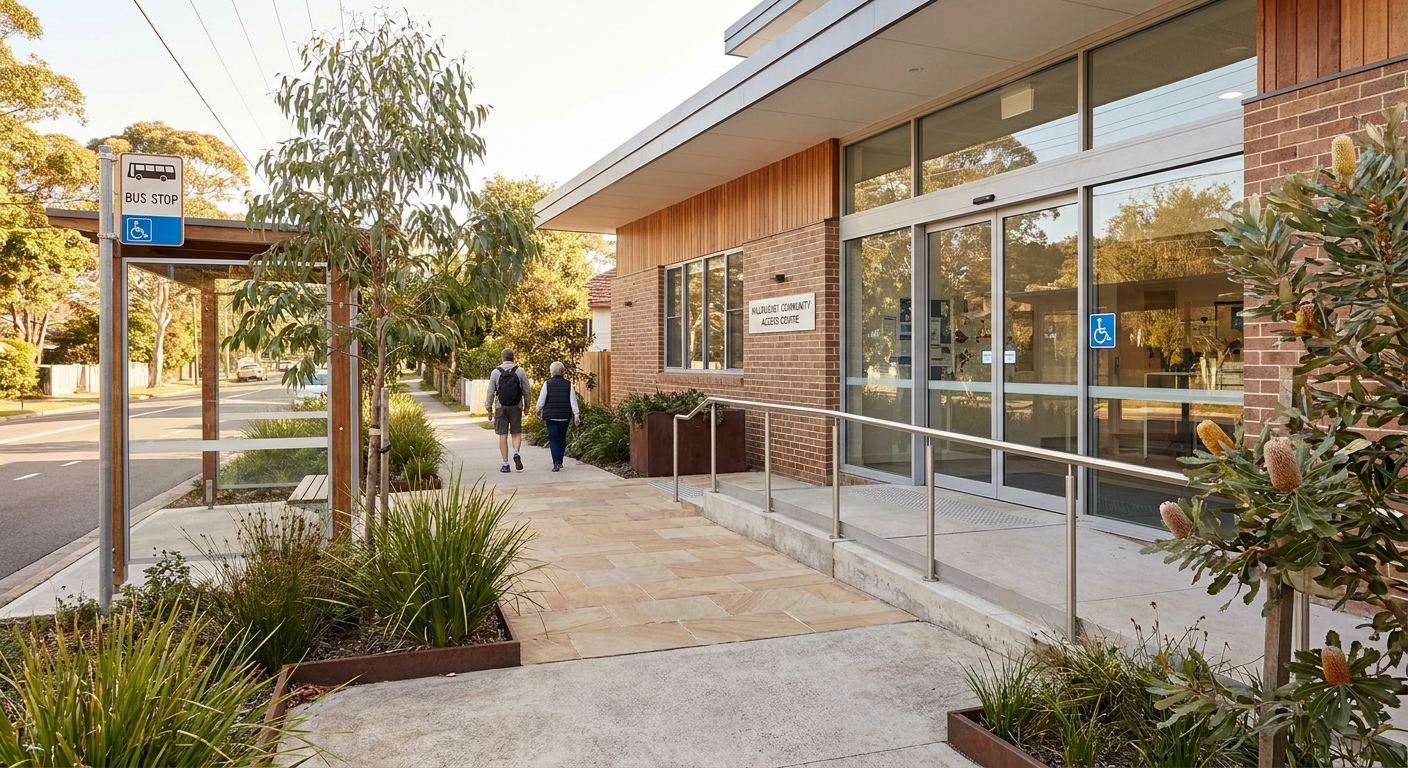

NDIS Community Access is a pivotal aspect of the National Disability Insurance Scheme (NDIS) aimed at fostering social participation and inclusion for individuals with disabilities. This support helps participants connect with their communities, pursue personal goals, and engage in meaningful activities that enrich their lives. The journey to utilising NDIS Community Access effectively not only improves quality of life but also empowers individuals to navigate their environment more confidently. Throughout this comprehensive guide, we will explore the various elements that comprise NDIS Community Access, effective strategies for maximising support, and practical tips for ensuring that participants fully benefit from these services.
What NDIS Community Access Covers
NDIS Community Access encompasses a wide range of services designed to enhance social participation and inclusion for individuals with disabilities. This support includes various types of activities funded by the NDIS, which directly connect to the individual goals and aspirations of participants. The emphasis on social inclusion underscores its importance, as it enables individuals to engage fully with their communities and enhance their quality of life. Services may cover assistance with transport, participation in community events, and support for skills development, highlighting the NDIS’s commitment to ensuring that people with disabilities can live fulfilling lives.
While the NDIS aims to provide comprehensive support, the actual outcomes for participants can vary based on several factors, including the effective utilisation of funding and available resources.
NDIS Funding and Community Involvement Outcomes-Some NDIS participants are receiving increased disability support funding, the necessary support to choose how to use it, and they are achieving positive outcomes and increased community involvement. Others are missing out. The NDIS is facing many logistical challenges. Choice, Control and Individual Funding: The Australian National Disability Insurance Scheme, 2020.
Understanding NDIS Pricing & Line Item Guide: Core Supports vs Capacity Building
To make the most of NDIS Community Access, it is crucial to understand the funding structure under the NDIS price guide, focusing on the categories relevant to social and community participation.
Core Supports Category 04 (Social and Community Participation)-Covers assistance that helps participants access community, social, and recreational activities. These supports focus on enabling participation in activities that may include attending local events, classes, or social clubs. Core Supports funding is flexible and can be used for services such as community access support workers, transport to and from activities, and assistance during outings.
Capacity Building Supports Category 09 (Increased Social and Community Participation)- Focuses on developing skills that increase the participant’s ability to engage socially and independently. This can include training in social skills, confidence building, and capacity development activities that aim to reduce reliance on paid supports over time.
The NDIS pricing guide further distinguishes supports by time and intensity, with weekday, evening, weekend, and public holiday rates varying to reflect the availability and demand for service providers.
- Standard support ratios- Signify typical one-on-one support.
- High intensity support ratios– Cater to participants requiring greater levels of support, sometimes with a one-to-one or one-to-two ratio involving skilled support workers.
- Transport options- Under these categories include supported travel assistance, either as part of community access or separately, enabling participants to attend activities safely and reliably.
Understanding how these line items operate helps participants and their coordinators structure plans that match individual goals perfectly, ensuring efficient use of allocated funds across different days and support intensities.
Effective Use of NDIS Support Coordination
Effectively utilising NDIS Support Coordination is critical for accessing community services and resources. Support coordinators play a vital role in helping participants understand their plans and connect with appropriate services. By working closely with their coordinators, individuals can set and achieve personal goals aligned with their needs. Support coordination enables efficient navigation through the complex web of available services, ensuring that participants engage with providers that best meet their requirements. This seamless connection between clients and services ultimately enhances the effectiveness of the support received.
Ability to Achieve, an Australian service provider, specialises in disability, aged care, allied health, and youth support in alignment with NDIS frameworks. They offer tailored NDIS Community Access support programs aimed at facilitating social participation for individuals with disabilities.
Local Regional Focus & Community Program Examples
Sydney Community Access Initiatives
Sydney offers a vibrant array of accessible cultural programs such as art gallery tours, theatre outings, and music events specifically designed for inclusive participation. The iconic harbour precincts provide beautiful settings for social clubs and outdoor activities which many participants join to foster community connection. Local sports groups tailored for different ability levels promote physical health and build friendships. Additionally, skill-building groups focus on art, cooking, and technology to enhance confidence and independence.
ACT / Canberra Community Inclusion Programs
The ACT area benefits from national institutions offering disability-friendly tours and programs, facilitating wider community engagement. Community gardens provide spaces where participants can socialise, learn, and contribute to environmental stewardship. Social hubs operate in various suburbs encouraging peer support and recreational activities, while outdoor mobility groups offer guided walks and exercise sessions adapted for all levels of ability.
Central Coast Social Participation Programs
The Central Coast region is home to coastal access programs enabling participants to enjoy beaches and water activities supported by trained workers. Local community workshops provide both educational and creative outlets, and active living groups promote regular exercise through group classes and sports. These programs foster a strong sense of community connection and improve overall wellbeing.
Participant Case Studies
Case Study 1: Sarah in Sydney-Sarah has a passion for art but lacked regular access due to mobility challenges. Through NDIS community access funding, a support worker assists her to attend a weekly art therapy group at a local community centre. This arrangement has increased Sarah’s self-esteem and expanded her social network.
Case Study 2: James in Canberra-James enjoys gardening and being outdoors. With the assistance of a community access support worker, he regularly attends a community garden and participates in social hub events. This engagement has improved his mood and social skills substantially.
Case Study 3: Lisa on the Central Coast-Lisa loves swimming and outdoor activities. Her support worker helps her access coastal swimming groups and local fitness workshops. This has led to improved physical health and greater independence in her daily life.
The Role of a Community Access Support Worker
A community access support worker is a dedicated professional who assists participants to engage in community activities aligned with their personal goals. Their responsibilities include:
- Supporting safe and enjoyable participation in social and recreational activities.
- Providing transport or accompaniment where needed.
- Helping develop skills for increased independence in community settings.
- Communicating with coordinators to align support with evolving participant goals.
- Maintaining professional boundaries and confidentiality at all times.
Matching participants with suitable support workers involves understanding personality, interests, and specific accessibility requirements to foster positive relationships and effective support outcomes.
Available Services
NDIS Community Access provides various services designed to promote engagement and empowerment in social settings. The following services are typically available under NDIS Community Access:
| Service Type | Description |
|---|---|
| Personal Care Supports | Assistance with daily living activities such as bathing, dressing, and meal preparation. |
| Therapeutic Services | Access to occupational therapy, speech therapy, and physiotherapy as needed to support individual goals. |
| Social Engagement Activities | Opportunities to participate in community events and group activities to foster social connections. |
These services are essential for enhancing the overall well-being of individuals with disabilities, making participation in community life not only possible but enjoyable.
Eligibility Criteria
To qualify for NDIS Community Access support, individuals must meet specific eligibility criteria. Factors include age and residency requirements, as well as documentation needed to demonstrate the impact of their disability. Additionally, applicants should demonstrate how the support will contribute to their overall quality of life and social participation. Understanding these criteria represents the first step towards accessing valuable community support services.
Comprehensive FAQ Section
Can NDIS cover entry fees or activity costs?
NDIS funding can sometimes cover entry fees or costs associated with community activities if they are directly linked to your goals and support capacity building or social participation. It’s important to discuss this with your support coordinator to confirm what is allowable within your plan.
What is the difference between Category 04 and Category 09 supports?
Category 04 focuses on Core Supports assistance with participation and transport in community activities. Category 09 involves Capacity Building Supports programs and services that improve your skills and independence over time, reducing reliance on paid support.
How do I allocate funding in my plan review?
During plan reviews, review your goals and current use of supports with your planner or coordinator. Ensure funding allocation reflects your desired activities and any changes in your support needs. Clear documentation of your achievements and challenges helps in negotiating the best plan.
Can a support worker transport me to activities?
Yes, community access support workers can assist with transport as part of your funded supports; however, this depends on your plan and must be agreed upon as part of your goals and funding allocations.
Practical Tips for Maximising Support
To make the most of NDIS Community Access, individuals can follow several practical tips that enhance their experience and outcomes. These include:
- Documenting Needs and Goals: Clearly outline personal objectives when engaging with support coordinators to ensure tailored services that meet individual needs.
- Regularly Reviewing Support Effectiveness: Engage in ongoing evaluations of the services received to determine their effectiveness and make necessary adjustments.
- Engaging with the Community for Additional Resources: Explore local community initiatives and groups that provide additional support, fostering a sense of belonging and inclusion.
By implementing these strategies, participants can enhance their connections within the community and achieve greater personal outcomes. For more information on the services offered, Ability to Achieve is a great resource.
Actionable Guidance & Next Steps
Getting started with Ability to Achieve as your NDIS registered provider is straightforward. You can begin by:
- Contacting us through our contact page for an initial discussion about your needs.
- Working with our experienced Support Coordinators to understand your NDIS plan and maximise your community access funding.
- Collaborating with assigned community access support workers matched to your interests and goals.
- Participating in tailored social participation programs across Sydney, ACT, and the Central Coast, with regular reviews to adapt support as your goals evolve.
Discover more about our reach by visiting areas we service. Empower your social connections today with Ability to Achieve.