
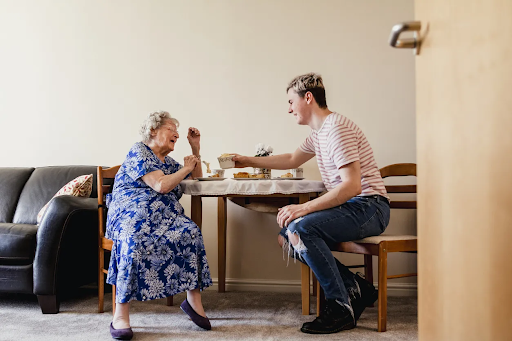

The National Disability Insurance Scheme (NDIS) and Supported Independent Living (SIL) can be complex. This guide explains what SIL involves, how it supports participant independence, and the funding options available. It outlines eligibility criteria, types of supported accommodation, and considerations for selecting a suitable provider. Many people seek greater independence and an improved quality of life; understanding SIL helps them access the supports required to meet those goals. The article covers the definition of SIL, its benefits, funding pathways and practical steps to obtain services.
The NDIS seeks to increase participant choice and control over support funding, which can lead to better outcomes and stronger community participation.
NDIS Individual Funding, Choice & Control
This chapter reviews Australia’s National Disability Insurance Scheme and evaluates the extent to which it provides people with disability choice and control over their support funding. It finds that some participants receive increased funding and the supports necessary to decide how to use it, resulting in positive outcomes and greater community involvement.
Choice, control and individual funding:
The Australian national disability insurance scheme, C Laragy, 2020
What is NDIS Supported Independent Living and How Does It Empower Participants?
Supported Independent Living (SIL) is an NDIS service that assists people with disability to live as independently as possible. It provides personalised support to help participants manage daily activities and maintain autonomy. The primary benefit of SIL is improved quality of life through assistance aligned to each participant’s needs and goals. Support commonly includes personal care, meal preparation and household management to enable participants to live well in their chosen environment.
Defining Supported Independent Living within the NDIS Framework
Within the NDIS framework, SIL covers a range of services intended to promote independence. SIL is designed to be flexible and personalised so that each participant receives the supports required to achieve their goals. This approach aligns support with personal aspirations and enables individuals to exercise greater control. By providing a structured yet adaptable support arrangement, SIL contributes to participants’ overall wellbeing.
How Supported Independent Living Promotes Independence and Quality of Life
SIL promotes independence by delivering personalised supports that develop skills and facilitate community inclusion. Participants are supported to undertake daily activities, which builds confidence and self-reliance. Support may include assistance with budgeting, cooking and social engagement, all of which contribute to improved quality of life. By emphasising individual strengths and preferences, SIL helps participants gain practical skills and greater independence.
Research supports that people in supported independent living settings report greater choice, which contributes to their overall independence.
NDIS SIL & Participant Choice for Independence
Research found that participants living independently or in SIL reported higher total scores for choice (W1 M = 69.6; W2 M = 67.6) than those in other living arrangements.
The Relationship Between Personal Wellbeing,
Choice and NDIS Individualised Planning and Support for People With Intellectual Disabilities, T Parmenter, 2025
What Are the NDIS Funding Options for Supported Independent Living?
The NDIS provides several funding categories to support SIL. Key options include:
- Core Supports : This funding category covers daily living expenses, including personal care and assistance with household tasks.
- Capacity Building Supports : These funds are allocated for skill development, enabling participants to enhance their independence and manage their daily lives more effectively.
- Specialist Disability Accommodation (SDA) : This funding is specifically for individuals who require specialised housing solutions that cater to their unique needs.
Understanding these funding categories helps participants to maximise their NDIS plans and secure appropriate supports.
| Funding Type | Description | Purpose |
| Core Supports | Covers daily living expenses | Assists with personal care and household tasks |
| Capacity Building Supports | Funds skill development | Enhances independence and daily management |
| Specialist Disability Accommodation (SDA) | Specialised housing funding | Provides tailored living solutions |
These funding categories are intended to provide comprehensive supports, enabling participants to access the resources required to live independently.
Specifically, understanding the relationship between Specialist Disability Accommodation (SDA) and the social housing sector is important for participants seeking appropriate housing solutions.
NDIS SDA & Social Housing Access for Participants
This research examines the interface between the social housing sector and SDA-funded dwellings, including NDIS participants’ experience of accessing these homes and the extent to which the sectors interact.
Specialist Disability Accommodation in the social housing sector: Policy and practice., A Crowe, 2024
Understanding Different NDIS Funding Pathways for Accommodation and Support
The various NDIS funding pathways can be difficult to navigate, but understanding them is essential to access appropriate support. Each pathway targets specific needs to help participants find suitable options. For example, Core Supports typically cover immediate daily living needs, Capacity Building Supports focus on longer-term skill development, and SDA funding supports specialised housing. Understanding these pathways enables participants to make informed decisions about their plans.
How to Access and Manage Your NDIS Funding for Supported Living
Accessing and managing SIL funding requires a series of steps. First, determine NDIS eligibility through a formal assessment of needs. Once eligibility is confirmed, apply for funding via the NDIS portal. Gather required documentation and attend planning meetings to ensure funding aligns with your goals.
Ability to Achieve can assist participants through this process and provide personalised support to manage NDIS plans effectively. For further information, you can contact Ability to Achieve at 02 8311 7163 or via email at admin@abilitytoachieve.com.au .
Who Is Eligible for NDIS Supported Independent Living?
Eligibility for SIL is determined by factors such as the nature of the disability and the individual’s functional support needs. Applicants must be registered NDIS participants and demonstrate that their disability significantly affects daily living activities. The NDIS aims to support people who require assistance to achieve personal goals and improve their quality of life.
What Are the Supported Living Eligibility Requirements Under NDIS?
To be eligible for Supported Independent Living under the NDIS, individuals must meet specific criteria. These include:
- Disability Impact : The individual’s disability must have a substantial impact on their daily living activities.
- Age Requirements : Participants must be aged under 65 at the time of application.
- NDIS Registration : Individuals must be registered with the NDIS to access funding and services.
Meeting these criteria is necessary for individuals to access SIL supports through the NDIS.
How to Apply for Supported Independent Living Funding and Services
Applying for SIL funding involves a structured process. Begin by contacting the NDIS to confirm eligibility and compile the required documentation, such as medical reports, assessments and a personal statement describing support needs. Actively participate in planning meetings to ensure funding aligns with your goals and preferences.
What Types of Supported Accommodation Are Available Through NDIS?
The NDIS provides several accommodation types to meet diverse participant needs. These include:
- Supported Independent Living (SIL) : Provides assistance for individuals living in shared or individual accommodations.
- Specialist Disability Accommodation (SDA) : Tailored housing solutions for those with high support needs.
- Medium and Short-Term Accommodation : Temporary housing options for individuals requiring short-term support.
Being aware of these accommodation types helps participants select the most appropriate option for their needs.
Comparing Supported Living Accommodation Models and Their Features
When assessing supported living accommodation, compare different models to determine the best fit. Key features to consider include:
- Level of Support : Determine the type and amount of support required.
- Living Arrangements : Consider whether shared or individual living is preferred.
- Accessibility : Evaluate the location and accessibility of the accommodation.
Comparing these features enables informed decisions about suitable supported living arrangements.
How to Choose Accommodation That Matches Your Needs and Preferences
Selecting the right accommodation is a crucial step towards independent living. Consider several factors when making this decision:
- Provider Credentials : Research the qualifications and experience of the support provider.
- Location and Accessibility : Ensure the accommodation is conveniently located and accessible.
- Support Needs Assessment : Conduct a thorough assessment of personal support needs to find a suitable match.
Evaluating these elements helps to choose accommodation that aligns with personal preferences and support requirements.
How to Choose the Right Supported Living Provider for Your NDIS Plan?
Choosing the right supported living provider is essential to secure quality care and support. Key factors to evaluate include:
- Compatibility and Communication : Assess the provider’s ability to communicate effectively and understand individual needs.
- Cost and Funding Options : Evaluate the provider’s pricing structure and how it aligns with available funding.
- Experience and Accreditation : Research the provider’s experience in delivering supported living services.
Considering these factors assists individuals in selecting a provider that best meets their needs.
Key Factors to Consider When Selecting a Supported Living Provider
When selecting a supported living provider, individuals should keep the following key factors in mind:
- Personalised Care : Look for providers that offer tailored support plans to meet individual needs.
- Accessibility : Ensure the provider’s services are accessible and convenient.
- Progress Tracking : Choose a provider that monitors and tracks progress to ensure ongoing support and improvement.
These priorities are important to ensure a positive supported living experience.
How Ability to Achieve Supports Your Choice with Personalised Services
Ability to Achieve provides personalised services that support individuals’ progress towards independent living. By delivering tailored support plans, the organisation ensures each participant receives appropriate assistance to pursue their goals. The focus on outcome-driven services promotes empowerment and engagement, enabling participants to thrive in their chosen living arrangements.
What Independent Living Tips Enhance Your Experience Under NDIS Supported Living?
The experience of independent living under SIL can be improved by applying practical measures:
- Engagement in Community Programs : Participate in local community activities to foster social connections.
- Skill Development : Focus on developing essential life skills to enhance independence.
- Utilising Support Workers : Make the most of available support workers to assist with daily tasks and activities.
Applying these measures can substantially improve the independent living experience.
Developing Skills for Daily Living and Community Participation
Developing skills for daily living is important for individuals seeking greater independence. Key strategies include:
- Community Access Programs : Engage in programs that promote social interaction and community involvement.
- Structured Activities : Participate in structured activities that build essential life skills.
- Setting Measurable Goals : Establish clear, achievable goals to track progress and maintain motivation.
These strategies support the development of skills necessary for successful independent living.
How to Access Additional Supports Like Home Modifications and Plan Management
Accessing additional supports, such as home modifications and plan management, is important to maximise the benefits of SIL. Participants may request funding for home modifications to improve accessibility and safety. Plan management services can assist in administering NDIS funding and ensuring participants receive required supports. Understanding how to access these services can strengthen independent living outcomes.
To learn more about our organisation and our mission, visit our about us page.
If you have any questions or would like to discuss your specific needs, please contact us . We are available to assist you in navigating the NDIS and achieving your goals.
We provide services across a wide range of locations. To confirm whether we operate in your area, please visit our areas we service page for further information.
Conclusion
Understanding NDIS Supported Independent Living (SIL) is important for those seeking increased independence and an improved quality of life. By reviewing tailored support options and funding pathways, participants can make informed decisions that align with their goals. Engaging with providers such as Ability to Achieve can support progress towards greater autonomy. For further information on how we can assist you, please contact us today.