
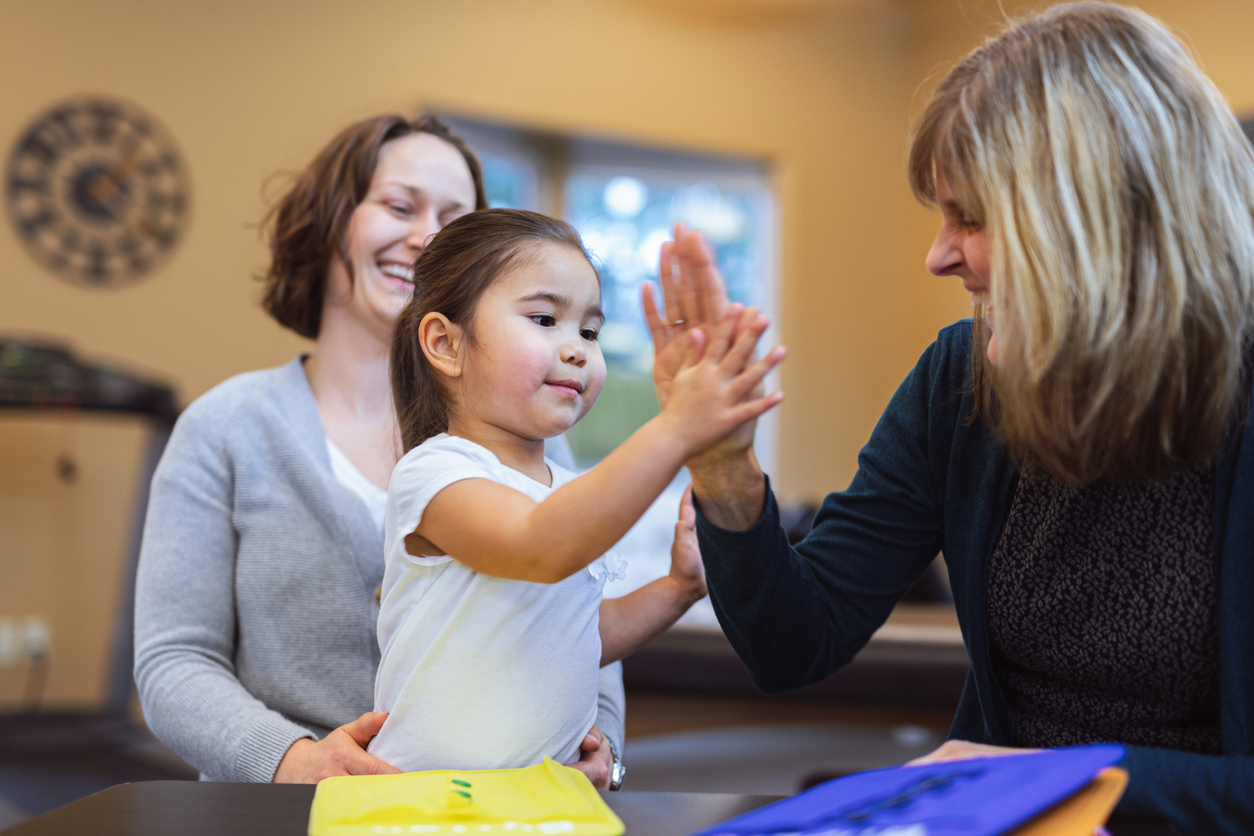

Children develop at their own pace, but sometimes parents notice that everyday tasks don’t seem to come as easily as they do for other children. Difficulties with holding a pencil, getting dressed independently, joining in playground activities, or following classroom routines can leave families wondering whether their child needs additional support. While every child learns differently, early intervention can make a significant difference to their confidence, independence, and long-term development.
This is where paediatric occupational therapy plays an important role. Rather than focusing solely on a child’s challenges, Occupational Therapists identify their strengths and create engaging, play-based activities that help them develop the practical skills needed for everyday life. From improving fine motor coordination and sensory processing to supporting school readiness and emotional regulation, paediatric occupational therapy equips children with the skills they need to participate confidently at home, at school and within their community.
For many Australian families, particularly those accessing support through the National Disability Insurance Scheme (NDIS), understanding how occupational therapy works can feel overwhelming. This guide explains how paediatric occupational therapy supports child development, what happens during therapy sessions, the benefits of play-based interventions, and how families can reinforce these skills beyond the therapy room.
What Is Paediatric Occupational Therapy?
Paediatric occupational therapy is a specialised allied health service that helps children develop the physical, sensory, cognitive and social skills required to participate in everyday activities.
Occupational Therapists work with children experiencing developmental delays, disabilities, injuries, or other challenges that affect their ability to complete daily tasks independently. Therapy focuses on improving functional skills while building confidence through enjoyable, child-centred activities.
Rather than asking, “What can’t this child do?”, Occupational Therapists ask:
“What skills does this child need to participate more confidently in everyday life?”
This strengths-based approach encourages children to achieve meaningful goals while supporting families every step of the way.
Why Early Occupational Therapy Matters
The early years of childhood are critical for development. During this time, children rapidly develop motor skills, communication abilities, emotional regulation, and independence.
When developmental challenges are identified early, therapy can help children strengthen foundational skills before difficulties begin affecting learning, friendships and everyday participation.
Early intervention may support children to:
- Develop stronger fine motor skills
- Improve balance and coordination
- Increase independence with self-care
- Build confidence in social settings
- Improve attention and concentration
- Strengthen emotional regulation
- Prepare for school routines
- Participate more confidently in everyday activities
Receiving support early often leads to better long-term outcomes and helps children reach their full potential.
Signs Your Child May Benefit from Paediatric Occupational Therapy
Every child develops differently, but some signs may indicate that additional support could be beneficial.
Parents may consider an assessment if their child experiences difficulties with:
- Holding pencils or crayons
- Using scissors
- Buttoning clothing or tying shoelaces
- Feeding themselves
- Following classroom routines
- Balancing or coordinating movements
- Managing sensory sensitivities
- Remaining focused during activities
- Participating in play with other children
- Completing everyday self-care tasks
These challenges don’t necessarily indicate a diagnosis, but they may suggest that an Occupational Therapy assessment could provide valuable guidance.
What Happens During a Paediatric Occupational Therapy Assessment?
The first Occupational Therapy appointment is designed to understand the child as a whole rather than focusing solely on their challenges.
An Occupational Therapist may assess areas such as:
- Fine motor development
- Gross motor skills
- Hand strength
- Balance and coordination
- Sensory processing
- Self-care skills
- Emotional regulation
- Play skills
- School readiness
- Functional independence
The therapist will also spend time talking with parents and caregivers to better understand the child’s routines, strengths, interests, and goals.
This information forms the basis of an individualised therapy plan that reflects the child’s unique needs.
How Play-Based Therapy Supports Child Development
Children learn best through play.
That is why paediatric occupational therapy uses engaging, play-based activities to teach important developmental skills.
When therapy feels like play, children are naturally more motivated to participate while practising new skills repeatedly in meaningful ways.
Play-based therapy may include:
- Obstacle courses
- Building blocks
- Craft activities
- Sensory play
- Drawing and colouring
- Ball games
- Role play
- Interactive movement games
These activities strengthen physical, cognitive, and social development while keeping therapy enjoyable.
Improving Fine Motor Skills Through Everyday Activities
Fine motor skills involve the small muscles in the hands and fingers that children use every day.
These skills are essential for:
- Handwriting
- Using cutlery
- Dressing independently
- Brushing teeth
- Opening containers
- Using classroom tools
For example, a child who struggles to hold a pencil may first practise squeezing playdough, threading beads, or using tweezers to pick up small objects. These playful activities strengthen hand muscles while improving coordination needed for writing and other everyday tasks.
Other effective activities include:
- Peg games
- Lego construction
- Finger painting
- Cutting shapes with scissors
- Puzzles
- Sticker activities
- Lacing cards
Because these activities feel like games, children often remain engaged while developing important lifelong skills.
Supporting Gross Motor Development
Gross motor skills involve larger body movements used for running, jumping, climbing, and maintaining balance.
Children who experience difficulties in these areas may avoid physical activities or struggle to participate confidently during sport and playground play.
Occupational Therapists may introduce activities such as:
- Balance beams
- Jumping games
- Animal walks
- Scooter boards
- Climbing equipment
- Ball skills
- Obstacle courses
These exercises improve coordination while helping children develop confidence in their physical abilities.
Understanding Sensory Integration
Every child processes sensory information differently.
Some children become overwhelmed by sounds, textures, or movement, while others actively seek sensory input throughout the day.
Sensory integration refers to the brain’s ability to organise and respond appropriately to information received through the senses.
When sensory processing difficulties occur, everyday situations such as getting dressed, eating certain foods, or participating in noisy classrooms can become challenging.
Occupational Therapists assess these sensory needs before developing personalised strategies that help children regulate their responses more effectively.
Sensory Activities That Support Development
Sensory integration activities are carefully selected to match each child’s individual needs.
Examples may include:
- Swinging
- Climbing
- Trampolining
- Sensory bins
- Water play
- Sand play
- Playdough activities
- Weighted resources were clinically appropriate
- Deep pressure activities
- Texture exploration
These experiences help children become more comfortable processing sensory information while improving participation in everyday routines.
Importantly, every sensory program should be guided by an Occupational Therapist to ensure activities are appropriate for the child’s specific needs.
How Occupational Therapy Supports School Readiness
Starting school involves much more than recognising letters and numbers.
Children also require the physical, emotional, and social skills needed to participate successfully in classroom activities.
Occupational Therapy helps develop abilities such as:
- Sitting for longer periods
- Following instructions
- Holding pencils correctly
- Cutting with scissors
- Managing school routines
- Organising belongings
- Participating in group activities
- Developing self-care independence
By strengthening these foundational skills, children often transition into school with greater confidence and independence.
Accessing Paediatric Occupational Therapy Through the NDIS
Many Australian families access paediatric occupational therapy through the National Disability Insurance Scheme (NDIS).
Depending on the child’s eligibility and approved goals, NDIS funding may support Occupational Therapy services that improve functional capacity, independence and participation in everyday life.
Occupational Therapists commonly assist families by:
- Completing functional assessments
- Developing therapy plans
- Providing progress reports
- Supporting NDIS goal development
- Collaborating with Support Coordinators and other allied health professionals
The focus is always on helping children achieve meaningful outcomes that improve their participation at home, school, and within the community.
Supporting Occupational Therapy Goals at Home
Occupational therapy doesn’t stop when a therapy session ends. In fact, some of the greatest progress occurs when children have opportunities to practise their skills during everyday routines at home.
Parents and carers play an essential role in reinforcing the strategies introduced by their Occupational Therapist. By incorporating simple, enjoyable activities into daily life, children can continue developing confidence while strengthening the skills they’re learning during therapy.
Some practical ways to support occupational therapy goals at home include:
- Encouraging children to dress themselves where appropriate
- Allowing extra time for practising buttons, zips, and shoelaces
- Involving children in meal preparation
- Using colouring, puzzles, and craft activities
- Building with blocks or construction toys
- Creating obstacle courses in the backyard
- Playing catch or kicking a ball together
- Encouraging outdoor climbing and playground activities
These everyday experiences help children apply newly developed skills in meaningful, real-world situations.
Occupational Therapy in Schools
Children spend a significant portion of their day at school, making it an important environment for developing functional skills.
Occupational Therapists often work collaboratively with teachers and learning support staff to ensure strategies introduced during therapy can also be used in the classroom.
Support may focus on:
- Improving handwriting skills
- Developing classroom organisation
- Managing transitions between activities
- Supporting attention and concentration
- Improving posture and seating
- Assisting with sensory regulation
- Encouraging participation during group learning
When therapy strategies are implemented consistently across home and school, children are more likely to experience ongoing success.
Working Together With Families and Allied Health Professionals
Children achieve the best outcomes when everyone involved in their care works towards the same goals.
Paediatric occupational therapy is often delivered alongside other allied health services, including:
- Speech Pathology
- Positive Behaviour Support
- Psychology
- Counselling
- Physiotherapy
- Early childhood intervention services
For example, a child experiencing communication difficulties may work with a Speech Pathologist while also receiving Occupational Therapy to improve sensory processing, fine motor development, and self-care skills.
Regular collaboration between therapists, educators, and families helps ensure strategies remain consistent and continue supporting the child’s development across all environments.
Measuring Progress in Occupational Therapy
Every child’s developmental journey is unique, which is why progress should never be measured solely against other children.
Instead, Occupational Therapists assess how a child’s own skills improve over time.
Progress may include:
- Greater independence with dressing
- Improved handwriting
- Better balance and coordination
- Increased attention during classroom activities
- Improved emotional regulation
- Stronger social participation
- Greater confidence during play
- Improved sensory processing
- Better self-care skills
Regular reviews allow therapy goals to evolve as children develop new strengths and achieve important milestones.
Celebrating these small achievements helps motivate children while reinforcing positive progress.
Choosing the Right Paediatric Occupational Therapist
Finding the right therapist can make a significant difference to your child’s experience.
Parents should look for an Occupational Therapist who:
- Uses evidence-based practice
- Delivers child-centred therapy
- Includes families throughout the therapy process
- Communicates clearly
- Creates personalised therapy plans
- Reviews progress regularly
- Collaborates with schools and other allied health professionals
- Understands the NDIS and early intervention
Building a strong relationship between the therapist, child, and family creates the foundation for successful long-term outcomes.
Why Early Intervention Creates Lifelong Benefits
Children’s brains develop rapidly during the early years, making this an ideal time to build foundational skills.
Early intervention can help children:
- Develop stronger motor skills
- Improve communication and social participation
- Build confidence before starting school
- Reduce frustration with everyday tasks
- Strengthen emotional regulation
- Increase independence
- Improve long-term participation in education and community life
Providing support early gives children more opportunities to practise new skills while reducing the impact developmental challenges may have later in life.
Everyday Activities That Encourage Development
Parents often ask whether expensive equipment is needed to support therapy goals.
Fortunately, many of the most effective occupational therapy activities use everyday household items.
Examples include:
Kitchen Activities
Helping children stir ingredients, pour water, knead dough, or set the table develops hand strength, bilateral coordination, and sequencing skills.
Arts and Crafts
Drawing, painting, cutting, and gluing strengthen fine motor control while encouraging creativity and problem-solving.
Outdoor Play
Running, climbing, balancing, swinging, and ball games improve coordination, body awareness, and gross motor development.
Sensory Play
Playing with sand, water, rice, shaving foam or playdough introduces different textures while supporting sensory processing and exploration.
Household Responsibilities
Simple tasks such as folding, washing, watering plants, packing school bags, or sorting toys help children develop organisation, responsibility, and independence.
The key is making activities enjoyable so children remain motivated while practising important developmental skills.
Frequently Asked Questions
What is paediatric occupational therapy?
Paediatric occupational therapy is an allied health service that helps children develop the physical, sensory, cognitive and social skills required to participate confidently in everyday activities at home, school and within the community.
At what age should a child start occupational therapy?
Children can benefit from Occupational Therapy at many different ages. Early intervention is often recommended when developmental concerns are identified, as support provided during the early years can have a significant impact on future learning and independence.
Can occupational therapy help children with autism?
Yes. Occupational Therapy commonly supports children with autism by addressing sensory processing, emotional regulation, fine motor development, self-care skills, social participation, and daily living activities through personalised, play-based interventions.
Is paediatric occupational therapy covered by the NDIS?
Many children may access paediatric occupational therapy through the NDIS where it aligns with their approved goals and funding. Occupational Therapists can also provide assessments and reports that support ongoing planning and goal development.
How often should my child attend occupational therapy?
The frequency of therapy varies depending on each child’s individual needs, goals, and progress. Your Occupational Therapist will recommend a schedule based on assessment findings and regularly review this as your child develops.
Can parents continue occupational therapy activities at home?
Absolutely. Home practice plays an important role in reinforcing therapy goals. Occupational Therapists often provide parents with practical strategies and activities that fit naturally into everyday family routines.
Helping Children Reach Their Full Potential
Every child deserves the opportunity to participate confidently in everyday life, regardless of the challenges they may face. Paediatric occupational therapy provides children with the skills, strategies and confidence needed to develop greater independence while supporting their physical, emotional and social wellbeing. Through engaging, play-based activities, children can strengthen fine motor skills, improve sensory processing, build self-care abilities, and participate more successfully at home, at school, and within their communities.
At Ability to Achieve, we understand that every child’s journey is unique. Our experienced Occupational Therapists work closely with children, families, educators and other allied health professionals to deliver personalised, evidence-based therapy that reflects each child’s individual strengths, goals and aspirations. By combining family-centred care, early intervention and practical, play-based therapy, Ability to Achieve is committed to helping children build lifelong skills that support confidence, independence and meaningful participation in everyday life.